
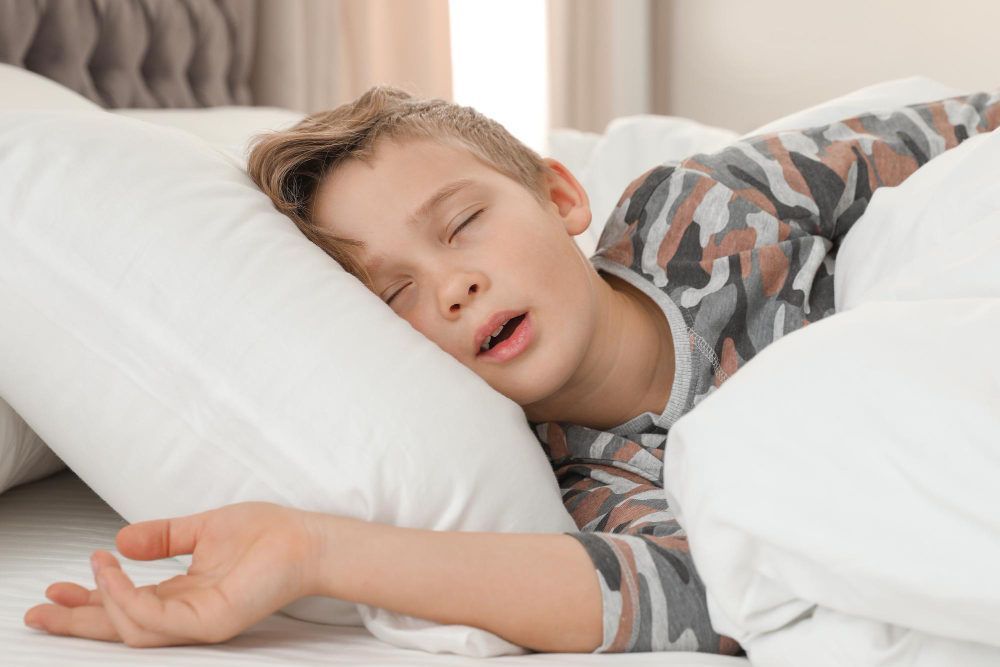
Mouth breathing is a condition where a person predominantly breathes through the mouth instead of the nose. While occasional mouth breathing is common during colds or allergies, consistent reliance on mouth breathing for more than six months is considered abnormal and may indicate underlying issues.
Why Does Mouth Breathing Happen?
Mouth breathing can occur due to a variety of causes:
- Nasal congestion (due to allergies or frequent infections)
- Tonsil hypertrophy
- Adenoid hypertrophy
- Weak oral or facial muscles
- Tongue tie
- Early weaning from breastfeeding
- Deviated nasal septum
- Thumb sucking or prolonged pacifier use
Signs of Mouth Breathing in Children
- Watch for these common signs:
- Child keeps their mouth open, even at rest
- Complaints of dry mouth, especially in the morning
- Snoring or noisy breathing during sleep
- Frequent throat infections or bad breath
How Does Mouth Breathing Affect Speech, Feeding, and
Learning?
Mouth breathing can lead to orofacial myofunctional disorders and cause lasting developmental impacts.
Speech Issues
In normal nasal breathing, the tongue rests at the roof of the mouth and the lips remain closed. In mouth breathers, the tongue tends to lie low and forward, with lips half-open to facilitate airflow. This altered posture affects oral development and can result in:
- A high-arched palate and narrow upper jaw (maxilla)
- Imprecise articulation of bilabial sounds (/p/, /b/, /m/,f/,/v/)
- Lisping of sounds such as /s/, /z/, /ʃ/, and /ch/
Feeding Difficulties
- Hypofunction of jaw muscles significantly reduces chewing efficiency
- Inability to maintain lip closure leads to inadequate chewing and premature swallowing
- Reduced nasal airflow in mouth breathers limits the sense of smell, which in turn dulls taste perception—leading children to choose foods based on ease of swallowing rather than appetite, and potentially resulting in poor nutritional variety and compromised nutritional status.
Cognitive and Academic Impact
- Poor sleep quality caused by mouth breathing or sleep apnea can lead to daytime fatigue, reduced oxygen supply to the brain, and inattention—factors that may contribute to immature auditory processing skills and lower academic performance.
If Mouth Breathing is Suspected, What’s Next?
Early identification and intervention can prevent long-term complications. If you suspect mouth breathing in your child, consult the following professionals:
- ENT (Ear, Nose, Throat) Specialist – to rule out physical obstructions
- Orthodontist – to assess jaw and palate development and alignment of teeth.
- Speech-Language Pathologist – to evaluate speech clarity, muscle tone, literacy skills and feeding patterns.